


Studying Weather Systems in the Montessori Classroom
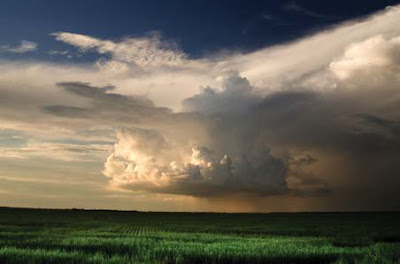
North Carolina is in a severe drought. Currently, we are short approximately 10.5 inches of rain for the past two years. Severe water restrictions are in effect and hearing that neighboring towns have less than 100 days of water left is a frequent occurrence. That being said, we are entering our rainy spring season which also brings months of tornado warnings. Naturally curious, children want to know what causes weather, especially severe weather.
The Montessori classroom is a great place for children to learn, explore, and research naturally occurring phenomenon such as thunderstorms, hurricanes, and tornadoes These concepts are usually introduced during the upper elementary years. Here, in North Carolina, we experience both hurricanes and tornadoes and this is enough to spur discussion and interest. If you live someplace where these weather systems do not occur, you can peak student interest by announcing that there are approximately 40,000 thunderstorms around the globe each day and that the class will have an opportunity to investigate how thunderstorms, hurricanes, and tornadoes form.
Studying Weather Systems in the Montessori Classroom- Hurricanes, Tornadoes and Thunderstorms
Before presenting these lessons to the children, it is important to have illustrative charts made of sea and land breezes, cold fronts, and warm fronts, as well as a map of high and low pressure systems and a variety of photographs (or video) of thunderstorms, hurricanes, and tornados. There is also a variety of vocabulary that needs to be explained before children can begin their investigations.
- Sea breeze
- Land breeze
- Cold front
- Warm front
- High pressure system
- Low pressure system
- Convection
- Coriolis effect
It may be helpful to watch the weather reports together over a period of several days in order to discuss and understand the terminology. You might also gather the weather report over a period of about two weeks and make predictions as a class as to what weather will be developing.
For more information for teachers, visit the National Hurricane Center website. For informative, interactive games for students, visit Federal Emergency Management Agency website.
 NAMC’s Upper Elementary Physical Geography curriculum manual provides background information and presentations on many weather related topics, including: Weather Systems and Weather Maps, Investigating Hurricanes and Thunderstorms, and Investigating Cold and Warm Fronts.


