


Exploring the US History of Thanksgiving in the Montessori Classroom
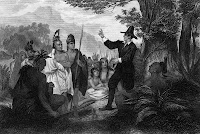 When I was growing up, one of my favorite school holidays was Thanksgiving. As a young child, I loved making turkeys out of pinecones and pilgrim fashions out of construction paper. I imagined myself a young pilgrim girl making an exciting adventure on the Mayflower, landing at Plymouth Rock and befriending some young native children. Not much was told to us about the original inhabitants of the North American continent. We were content to hear stories of how the Wampanoag Native American, Squanto, taught the Pilgrims to plant corn with fish fertilizer and how the Pilgrims invited the great Native American leader Massasoit (aka Ousamequin) and his people to celebrate the first Thanksgiving. As children, we didn’t question these stories. It wasn’t until I was much older that I learned more about the Wampanoag people.
The Wampanoag, “People of the First Light”, were an Algonquin-speaking people who lived in what is now Massachusetts and Rhode Island. They lived in wetus (a circular home made of bent saplings) and moved seasonally. Summers were spent in open clearings where they could grow corn. During winter, they moved into the forest for more shelter from the harsh winters. Their diet consisted mostly of corn (maize), fish, and game, such as rabbit, squirrel, wild turkey and deer.
In November 1620, the Mayflower landed near the Wampanoag village of Meeshawm. Cold, hungry, and with no shelter and dwindling supplies, the new colonists were excited to find corn buried in pits in the earth. What they didn’t realize is they were stealing the Wampanoag’s winter store of corn, not to mention their seed for the next planting season. By December, the colonists decided to build their new homes near the village of Pawtuxet.
Exploring the US History of Thanksgiving in the Montessori Classroom
In 1620, native high chief Massasoit, thinking to preserve the peace between his people and the colonists, struck an agreement and signed a treaty with the Plymouth colonists. He also believed that by becoming allies with the colonists, they would be stronger against their enemies, the Narrangasett. Later, in 1659, Massasoit sold a large tract of land to Plymouth Colony treasurer and military first commander, Myles (aka Miles) Standish. The Wampanoag and colonists lived peacefully together until the death of Ousamequin in 1661. It is important to note that in 1600 there were nearly 12,000 Wampanoags. Sadly, by 1620, devastated by epidemics brought by the colonists, there were fewer than 6,000.
While it is true that, in 1621, the Plymouth colonists and Wampanoag Indians shared a bountiful harvest feast, this great feast did not consist of turkey, mashed potatoes, stuffing and cranberry sauce. Based on historical and geographical evidence, we can conclude that this thanksgiving consisted of venison, duck, lobster, fish, clams (quahogs), cabbage, onions, squash, and of course, corn!
Here are further ideas for your Montessori study of Thanksgiving:
- Act in a Thanksgiving play
- Make and share a Thanksgiving meal
- Write a poem about what you are thankful for
- Create a Thanksgiving tree
(http://www.familycorner.com/archives/familytime/2.shtml) - Make a map of the voyage of the Mayflower and the pilgrims
- Explore with Thanksgiving webquests
http://www.plimoth.org/education/olc/intro.html (complete with teacher lessons and guide)
http://www.scholastic.com/scholastic_thanksgiving/
References:
- http://www.history.com/topics/wampanoag
- http://www.scholastic.com/scholastic_thanksgiving/
- http://www2.scholastic.com/browse/article.jsp?id=5107


